
(Step 9 of 9 in the Bed Bugs Killer Ultimate Guide - Updated March 16, 2020)
(Note: As an Amazon Associate, this site earns from qualifying purchases. This article may contain affiliate links. If you purchase anything after clicking an affiliate link, we may receive compensation.)
Assume that a bed bug can come home with you from just about anyplace you visit during your day. You need to know how to prevent bed bugs before your uninvited visitor gets an opportunity to snuggle up and bite you during the night.
To keep them out, you need to know how they get in.
How Bed Bugs Gain Entry to Your Home
Bed bugs are some of the most resourceful hitchhikers in the world. In fact, they're world travelers. Experts believe they first infiltrated U.S. cities by hitching a ride home in the luggage of American tourists from Europe.
In our mobile society, they have found their way into hotels and motels, offices, movie theaters, shopping centers, schools, dorm rooms, and just about anywhere else warm-blooded people congregate.
Sooner or later, you're going to come into contact with a person or a place that has a bed bugs problem. So here are a few things you can do to make sure they don't hitch a ride home with you.
Skip the Used Furniture
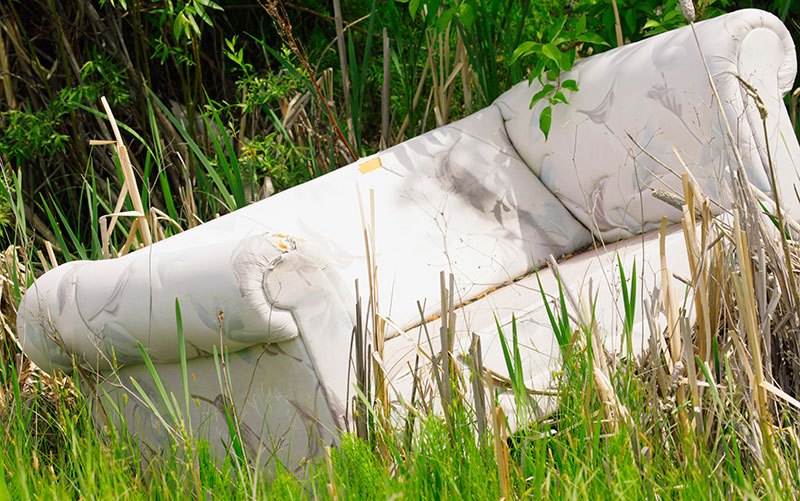
Sometimes people discard old furniture because they buy new furniture, and sometimes they get rid of it because it contains a bed bug or two. The problem is people aren't always considerate enough to warn others if the latter is the reason they're throwing out the furniture.
Free furniture that has been left at the curb might not be the bargain you think it is. It could become the most expensive "free" thing you've ever taken home in your life.
If it's at the curb or in a field or dumpster, leave it there.
If you're browsing a thrift store and a bed, upholstered chair, or other piece of furniture catches your eye, scrutinize every inch of it before you decide to make it your own.
Bed bugs thrive in cracks, crevices, corners, and recesses that we tend to ignore when looking for nicks and scratches on used furniture. Wood and wicker furniture are particularly vulnerable to bed bug infestations.
Prevent Bed Bugs from Hitchhiking
When you shop, check the grocery bags, boxes, and other containers you bring home from the store before you bring them inside. Cardboard is a common culprit.
Be Careful Where You Set Your Purse
Floors, beds, and chairs and sofas in others' homes, hotels, restaurants, or shops provide a perfect opportunity for bed bugs to invite themselves home with you.
Get in the habit of inspecting the outside and inside of your purse regularly, especially after going to the movies, restaurants, and other public places where you need to set your purse down for an extended period.
After carefully emptying the contents (outside), use the wand of your vacuum cleaner to suction the sides and corners of the inside of your purse if you think it's warranted.
How to Prevent Taking Bed Bugs Home When You Travel
Here are a few simple things you can do to protect yourself.

Use the luggage rack. In a hotel, never place your luggage on the bed or the floor. Set it on the luggage stand; that's its purpose. Pull the luggage rack away from the wall. This makes it more difficult for bed bugs to climb aboard.
Inspect upon arrival. Before you unpack or settle into your hotel room, inspect it thoroughly for signs of bed bugs. Check the:
Orkin's SLEEP acronym is a good guide for how to inspect your hotel room.
If you see bed bugs, dried blood, dried skins, or feces, leave the room immediately. Go to the front desk, and insist on another room. Once in that room, repeat the process. Bed bugs in hotels, apartment buildings and condos, dorms, and other places that share connected walls tend to travel from room to room.
So don't assume the next room will be bed bug–free.
Have a Travel Routine Focused on Bed Bug Prevention
If you leave home prepared and have a set routine for handling your belongings when you return, you minimize the chances of bringing bed bugs back home with you.
If you have clothes that are dry-clean only, take them, in the sealed bag, to the dry cleaners, and tell them you bagged the clothes as a precaution against bed bugs. This way, they know to take precautions, too, so they don't risk releasing bed bugs throughout their establishment.
Do this as a courtesy to them and their other customers.
Yes, this all sounds inconvenient, and it is. But compared to months, or even years, of trying to eradicate a bed bug infestation you could have prevented, it's so easy.
Preventing bed bugs is largely about understanding bed bug behavior and denying them access.
Prevent Bed Bugs from Moving When You Move
If you're moving into a new place, check all your belongings and boxes at the old place. Then, check the new place while it's empty. Even a vacant house can conceal bed bugs. They can live for up to a year without eating.
If you're moving into an apartment, you might be able to use a registry to check out your new place before you move.
Also, if you find bed bugs in one room of your current home, realize that moving items in that room to other parts of your home will only spread and relocate the problem.
If you find bed bugs in a room, don't let anything in that room travel anywhere unless it's first encased in a bed bug–proof protector or a sealed bag.
How to Prevent Bed Bugs: More Tips
Read the section on getting rid of clutter in your home. This step must precede any treatment program if you have bed bugs, but it's also helpful in any preventive efforts. Then, follow the tips below. Last, set up a good bed bug monitoring system for early detection of bed bugs.
Relocate Any Birds' Nests Away from Your Home
Bed bugs also feast on birds and bats. So if you have birds' nests near your home, especially on the roof, consider relocating them. They offer bed bugs more opportunity to invade your home.
Encase Your Mattress and Box Spring
Encase your mattresses, box springs, and pillows with bed bug–proof covers. Zip them shut, and keep them shut for at least a year. Any bed bugs inside will starve because they can't penetrate the cover to bite you, and no new pests can get inside and ruin your mattress or box spring. Read more about mattress encasement best practices.
Caulk to Fill Cracks
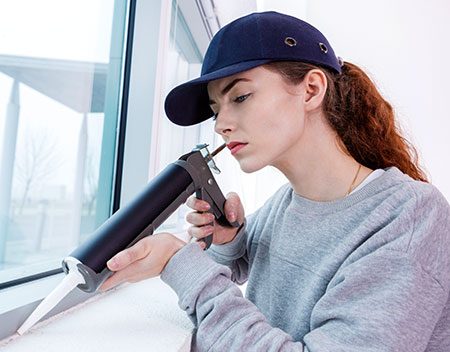
Filling cracks in floors, walls, and moldings with a sealant can deny bed bugs entry from outside or adjoining walls. Visit your local home improvement store to get advice on the best crack and crevice fillers for your specific jobs. Also, get advice on sealants you can apply to cracks around the foundation of your home.
These are inexpensive repairs that can save you thousands of dollars in pest control costs. This is effective not only against bed bugs but roaches and other pests that hide in cracks and crevices.
Inspect Regularly
Be proactive. From time to time, inspect your bedding, mattresses, baseboards, drawers, and other common hiding places for signs of infestation. Also, consider leaving the bed bug interceptors you purchased to monitor post-treatment activity in place permanently. Check them and wipe them clean every few weeks.
Next: Celebrate
So now you've either fought and won a battle with bed bugs or you took steps to ensure you don't get them in the first place. Take some time and celebrate the joy of having peace of mind in your bed bugs–free home. You've earned it. Well done.
Read the full guide and decided you'd rather have a professional do it? Here's what to expect if you call the pros.
Did You Miss the Previous Steps in the Guide?
In case you missed it, click to read previous steps:
(Note: This article contains affiliate links. If you purchase anything after clicking an affiliate link, we may receive compensation.)